Can saving just $5 a day really change your financial future? Micro saving is the habit of saving small amounts consistently often $1 to $5 a day to build long-term financial security. It is combined with automation and smart money habits; these small deposits can create significant wealth over time.
Instead of waiting until you have enough money to save, you start with what you have today. In this guide we will explain why a simple $5-a-day wealth blueprint works, what behavioral science says about small financial habits, and how to build a realistic savings plan that lasts. Let’s start the discussion.
Can Small Deposits Really Build Big Wealth?
When people ask about saving money, they’re usually expecting a complicated budgeting system or a secret investment trick. They’re often surprised when after hearing to start with five dollars. A micro saving strategy removes the biggest obstacle to saving feeling overwhelmed.
Instead of chasing unrealistic monthly goals, you focus on one small action you can repeat every day. Over time, those tiny deposits become a habit, and habits are what build lasting wealth. Research from behavioral economists consistently shows that sustainable financial behaviors outperform short bursts of extreme budgeting.
A Smart Micro Saving Strategy
- Save a fixed amount every day or week.
- Automate transfers whenever possible.
- Give every savings goal a purpose (emergency fund, vacation, home).
- Increase your savings after every salary rise.
- Review your progress once a month.
The Consumer Financial Protection Bureau (CFPB) recommends building saving habits through automation and realistic goals rather than relying on willpower alone.
Why Small Savings Motivate Us?
After reading countless money stories is that successful savers don’t necessarily have more discipline. They have better systems. That’s where behavioral finance becomes fascinating. It explains why humans often know the right financial decision but still make the wrong one.
We naturally prefer rewards today instead of benefits years from now. Saving $5 feels small enough that our brains don’t resist it yet repeating that action hundreds of times builds confidence and momentum.

Behavioral economists describe this as positive reinforcement. Every successful deposit creates a small psychological reward, making you more likely to repeat the behavior tomorrow.
Instead of relying on motivation, build systems.
- Set automatic savings transfers.
- Turn on low-balance alerts.
- Round up purchases into savings.
- Schedule a monthly money review.
- Remove saved credit cards from shopping apps.
These simple nudges reduce decision fatigue and make good financial choices almost automatic.
How to Build a $5-a-Day Wealth Blueprint?
A $5-a-day wealth blueprint isn’t about becoming rich next year. It’s about creating a repeatable system that keeps working whether you’re motivated or not. Start small, automate what you can, track your progress, and increase your savings whenever your income grows.
A Simple Savings Roadmap
- Open a dedicated savings account.
- Automate a daily or weekly transfer.
- Track your first $100, $500, and $1,000 milestones.
- Avoid touching your emergency savings.
- Increase contributions after raises or bonuses.
- Once you have 3–6 months of emergency expenses saved, consider learning about diversified long-term investing.
Ask yourself these three questions:
- Could I save $5 today without changing my lifestyle?
- Do I already have a separate emergency savings account?
- Is my current savings plan based on habit or just hope?
If you answered “no” to any of these, don’t worry. That’s exactly where most successful savers started.
Best Tools to Automate Your Daily Savings
Daily Micro savings is undoubtedly a good habit. Automatic saving sometimes gets an unfair reputation. Some people assume that truly disciplined savers should move money manually every payday. It is reasonable until real-life results tell a different story.
Financial planners, budgeting experts, and everyday people who’ve quietly built healthy emergency funds often share the same advice: don’t rely onmotivation to build a system instead. They transfer money into savings before there’s a chance to spend it elsewhere.
Best Automation Tools
| Tool | Best For | Why It Works |
| Automatic Bank Transfer | Beginners | Saves on a schedule without effort |
| Round-Up Savings | Everyday spending | Turns spare change into savings |
| High-Yield Savings Account | Emergency funds | Earns more interest than many standard savings accounts |
| Budgeting Apps | Spending awareness | Tracks cash flow and saving goals |
| Payroll Direct Deposit | Employees | Saves before you see the money |
Automatic bank transfers remain the simplest and most effective option. You don’t need fancy technology, just a recurring transfer scheduled on payday. In the United States, FDIC-insured deposit accounts provide protection for eligible deposits within applicable coverage limits.
Fintech apps have made saving easier than ever. Many now offer:
- Automatic round-ups from purchases
- Goal-based savings buckets
- Spending insights
- Bill reminders
- AI-powered budgeting suggestions
These are helpful but the app doesn’t build wealth you do. The app simply removes friction. If you never see the money in your spending account, you’re much less likely to miss it.
What Makes Good Money Habits Stick?
I’ve seen plenty of January budgets disappear by February. Honestly, I’ve done it myself years ago. The problem wasn’t lack of ambition. It was trying to change everything at once. Sustainable financial habits are boring.
The people who build wealth over decades usually aren’t chasing the newest budgeting trend. They’re repeating a handful of smart behaviors until they become second nature. That’s where real financial confidence comes from not earning more overnight but managing what you already have consistently.
Habits That Build Wealth
| Habit | Long-Term Benefit |
| Pay Yourself First | Consistent savings |
| Track Spending Weekly | Better awareness |
| Avoid Lifestyle Inflation | More money available to save |
| Build an Emergency Fund | Less financial stress |
| Review Goals Monthly | Stay motivated |
The 5 Money Habits that Recommend Most
- Save before spending.
- Avoid unnecessary high-interest debt.
- Review subscriptions every few months.
- Increase savings after raises not spending.
- Celebrate every milestone.
Money Habits Worth Breaking
- Impulse shopping
- Ignoring bank statements
- Living paycheck to paycheck when avoidable
- Relying on credit cards for emergencies
- Comparing your finances to others
Remember, personal finance is exactly that personal. Your progress doesn’t have to look like anyone else’s. Creating and following a budget can help you understand where your money goes and identify opportunities to save.
When to Move from Micro Saving to Investing?
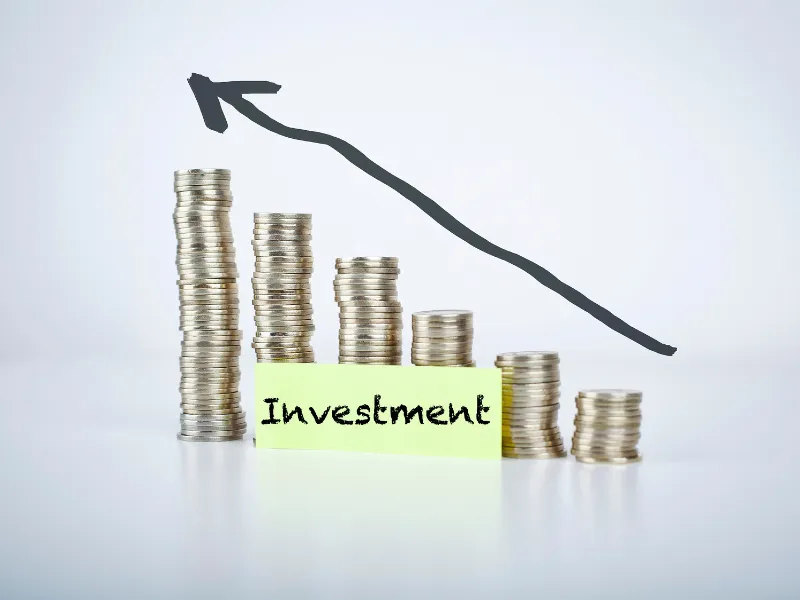
Investing can absolutely accelerate long-term wealth, but timing matters. People rush into investing before building an emergency fund, only to sell investments during unexpected financial emergencies. That’s frustrating and often avoidable.
Think of saving and investing as teammates, not competitors. Savings provide stability and investing provides growth. One protects your financial life today; the other helps build tomorrow.
Are You Ready to Invest?
Use this checklist before investing.
| Question | Yes | No |
| Do you have 3–6 months of emergency savings? | ✅ | ☐ |
| Have you paid off high-interest debt? | ✅ | ☐ |
| Can you save consistently every month? | ✅ | ☐ |
| Are you investing for at least 5–10 years? | ✅ | ☐ |
If most of your answers are Yes, you may be financially ready to begin learning about investing.
Saving vs Investing
| Saving | Investing |
| Lower risk | Higher potential returns with higher risk |
| Best for emergencies | Best for long-term goals |
| Easy access to cash | Money should remain invested longer |
| Stable value | Market value can rise or fall |
Beginner Investing Tips
Once your savings foundation is strong, many financial educators recommend exploring diversified long-term investments such as:
- Broad-market index funds
- Exchange-traded funds (ETFs)
- Retirement accounts offered in your country
- Employer-sponsored retirement plans, if available
Investing involves risk, including the possible loss of principal. So, make sure your investment choices match your goals, time horizon, and risk tolerance.
How Can Track Progress on Your Wealth Blueprint?
Reaching your first $1,000? Even it’s better. But somewhere in the middle, enthusiasm can fade. The best way to track your wealth blueprint is to monitor your savings consistently using a budgeting app, spreadsheet, or banking dashboard while reviewing your progress monthly but not daily.
What Should You Track?
Look at the bigger picture.
| Metric | Why It Matters |
| Total Savings | Shows overall financial growth |
| Savings Rate (%) | Measures how much of your income you save |
| Emergency Fund Progress | Tracks financial security |
| Monthly Contributions | Builds consistency |
| Net Worth | Measures long-term wealth growth |
| Financial Milestones | Keeps motivation high |
| Metric | Why It Matters |
Personally, I like using milestones because they make a long journey feel manageable.
Instead of saying,
“I need $20,000.”
Say,
“I’m working toward my next $500 milestone.”
That tiny mental shift makes a huge difference.
Conclusion
It’s simple enough for almost anyone to start, whether you’re a student, a new graduate, a freelancer, or someone rebuilding your finances after a difficult year. You don’t need a perfect budget, a six-figure income, or advanced investing knowledge to take the first step.
You just need a system you can stick with. And remember that every dollar you save today gives Future You a little more freedom tomorrow.
Frequently Asked Questions (FAQ)
Yes.
Secure savings account
Yes
Yes